
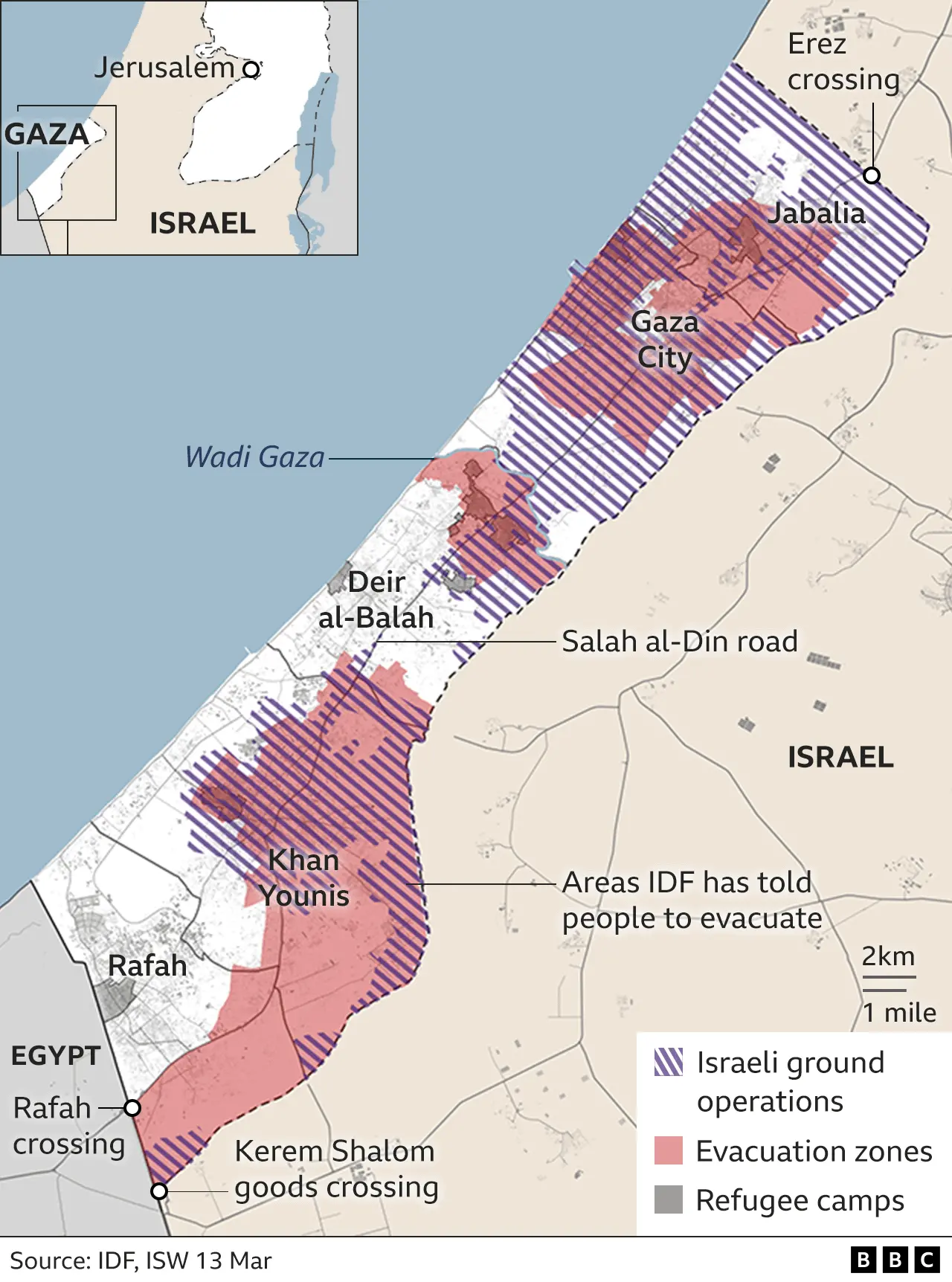
The Israel and Gaza Conflict is one of the most emotional, complex, and long-lasting disputes in modern history. It represents a deep struggle between two peoples — Israelis and Palestinians — both of whom claim the same land as their rightful home. The roots of this conflict go back more than a century, shaped by religion, territory, and politics. Over the years, wars, peace efforts, and international involvement have all played major roles in shaping its outcome. The Gaza Strip, a small but highly contested region, remains at the center of constant tension and violence. Understanding this conflict means looking at its historical background, reasons behind the tensions, and the current humanitarian and political situation affecting millions of lives today. The Israel and Gaza Conflict continues to influence global peace efforts and remains one of the most debated issues in world politics.
Introduction
The Israel and Gaza conflict is one of the world’s most complex and longest-running disputes. It involves deep historical, political, and religious roots. Understanding it helps us see how decades of violence, displacement, and mistrust have shaped the Middle East.
This ongoing struggle between Israelis and Palestinians centers around land, identity, and the right to self-determination. What began as a territorial disagreement has evolved into a decades-long cycle of war, displacement, and failed peace efforts.
The Gaza Strip, a small yet densely populated area, has become a symbol of suffering and resistance. Understanding the Israel and Gaza Conflict requires exploring its historical roots, causes, and the lasting impact it continues to have on global peace and stability.
Historical Background
The roots of the conflict go back more than a century. Before 1948, the area known today as Israel and Palestine was under British control. Both Jews and Arabs lived there, but tensions were rising over who should rule the land.
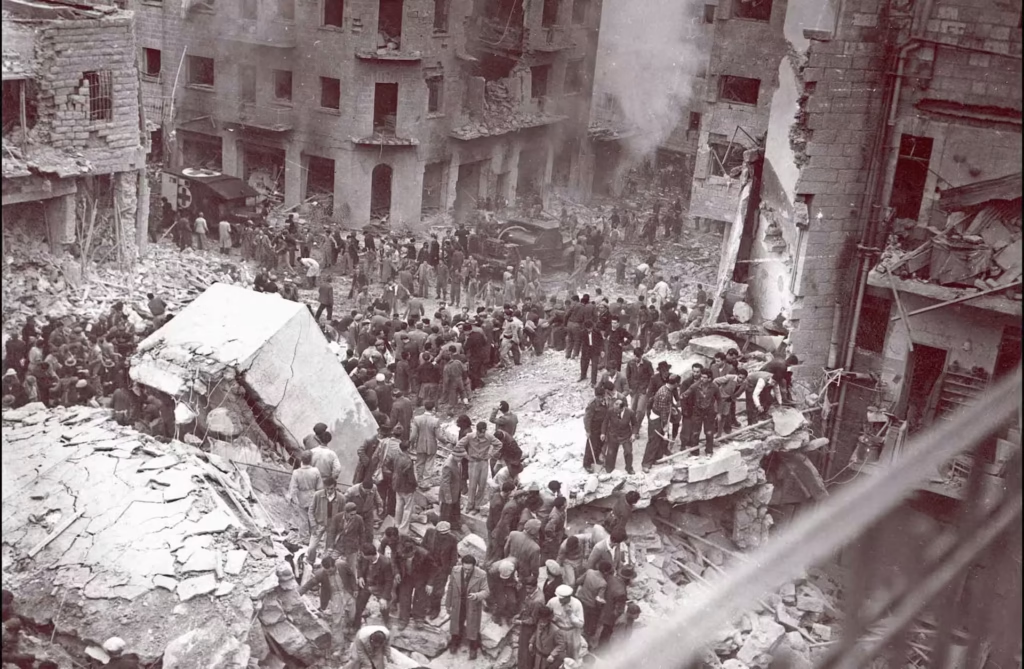
After World War II and the Holocaust, the world supported creating a safe homeland for Jewish people. In 1948, the State of Israel was declared. This led to war between Israel and neighboring Arab countries. As a result, hundreds of thousands of Palestinians were forced to leave their homes — an event Palestinians call the Nakba, meaning “catastrophe.”
The Gaza Strip became one of the main areas where Palestinian refugees settled. It is a small piece of land on the Mediterranean coast, bordered by Israel and Egypt. It became overcrowded, and life there was very difficult.
2. Reasons for the Conflict
The Israel-Gaza conflict is driven by deep-rooted political, religious, and territorial issues.
- Land and Borders – Both sides claim the same land. Palestinians want Gaza, the West Bank, and East Jerusalem to form their independent state. Israel, however, controls much of this area for security reasons.
- Refugees – Millions of Palestinians still live as refugees in Gaza and other countries. They demand the right to return to their original homes, which Israel refuses, fearing it would change the country’s population balance.
- Jerusalem – The city of Jerusalem is sacred to Jews, Muslims, and Christians. Both Israel and Palestine claim it as their capital.
- Security and Violence – Israel says it must protect its citizens from rocket attacks and terrorism. Palestinians, especially in Gaza, say they are fighting against occupation and blockade.
These reasons keep the conflict alive, generation after generation.
3. The Gaza Strip and Hamas
In 2007, a political and militant group called Hamas took control of the Gaza Strip after winning elections. Since then, Israel has considered Hamas a terrorist organization and has imposed a blockade on Gaza, controlling the flow of goods, electricity, and people.
Israel says this is necessary to prevent Hamas from importing weapons. But for Gaza’s two million residents, it has led to poverty, unemployment, and shortages of basic needs like food, fuel, and clean water. Many international organizations have described the situation as a humanitarian crisis.
4. The Recent War and Present Situation
The situation worsened on October 7, 2023, when Hamas launched a large and deadly attack on Israel. Fighters entered Israeli towns, killed civilians, and took hostages. This attack shocked the entire world and led Israel to declare war on Hamas.
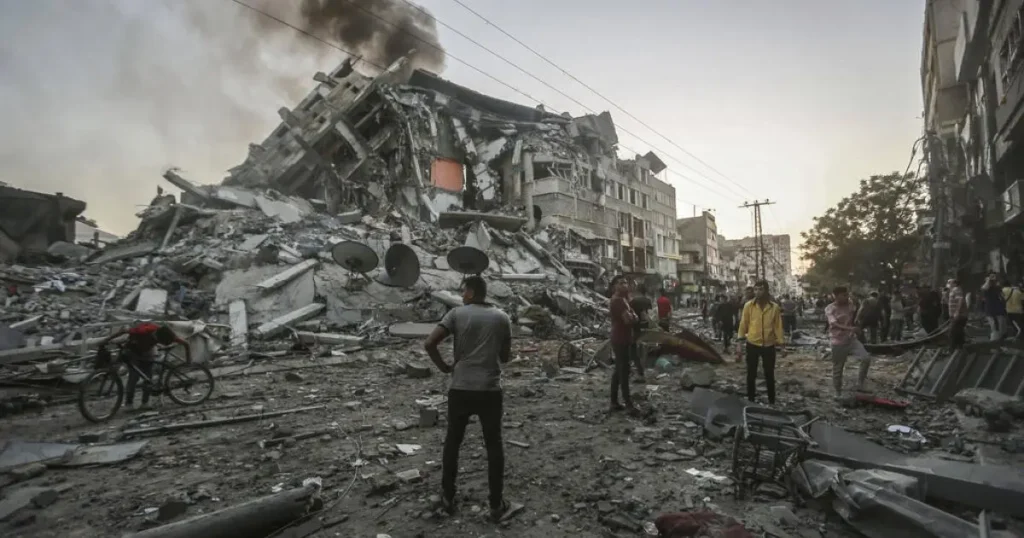
In response, Israel launched massive airstrikes and ground operations in Gaza. Thousands of homes, schools, and hospitals were destroyed. The death toll on both sides has been extremely high — many of them civilians.
The conflict has caused immense suffering. People in Gaza have been forced to leave their homes, living in tents with little food, water, or electricity. Meanwhile, Israelis also live under constant fear of rocket attacks.
The United Nations (UN) and several countries have called for a ceasefire and humanitarian aid for Gaza, but fighting continues. The world remains deeply divided over how to achieve lasting peace.
5. Global Reactions
Countries around the world have reacted differently to the conflict. The United States and several Western nations support Israel’s right to defend itself. However, they have also urged Israel to protect civilians in Gaza.
On the other hand, many Arab and Muslim countries strongly support the Palestinian cause, demanding an end to Israeli attacks and occupation. Protest movements and peace campaigns have taken place across the globe, calling for justice and peace for both sides.
6. Can Peace Ever Be Achieved?
Many peace efforts have been made in the past, such as the Oslo Accords in the 1990s, which aimed to create two separate states — one for Israelis and one for Palestinians. Unfortunately, mistrust, political divisions, and repeated violence have prevented these plans from succeeding.
A lasting solution will require both sides to accept each other’s right to exist, end violence, and agree on fair borders and rights. The world’s hope is that one day, Israelis and Palestinians will live side by side in peace and security.
7. Conclusion
The Israel and Gaza conflict is more than a battle over land — it is a human tragedy rooted in history, fear, and suffering. Both Israelis and Palestinians have faced pain, loss, and displacement. The situation in Gaza remains critical, and innocent people continue to suffer on both sides.
Peace will only come when there is understanding, dialogue, and compassion instead of hatred and violence. Until then, the Israel-Gaza conflict stands as a reminder of how difficult — yet how necessary — peace truly is.