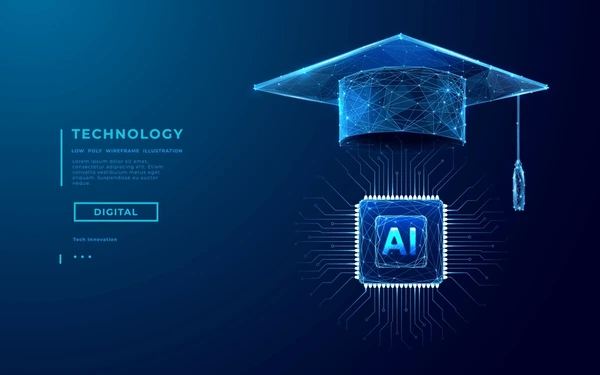
Introduction to Artificial Intelligence (AI) Course for Students
Artificial Intelligence, or AI, has become one of the most exciting and rapidly growing fields in today’s digital world. It is shaping the way we live, work, communicate, and even think. From smart assistants like Siri and Alexa to advanced tools that detect diseases, AI is changing how the world operates. Understanding AI is no longer just an option—it’s a necessity for students who want to prepare for the future.
The Introduction to Artificial Intelligence (AI) Course for Students is specially designed to help learners understand the basics of AI, its real-world applications, and how it impacts different industries. This course is an excellent starting point for anyone curious about technology and how machines can mimic human intelligence.
What is Artificial Intelligence?
Artificial Intelligence refers to the simulation of human intelligence in machines that are programmed to think, learn, and act like humans. In simple words, AI enables computers to make decisions, analyze data, and perform tasks that require reasoning and problem-solving.
Some common examples of AI in daily life include:
- Voice Assistants like Alexa, Google Assistant, and Siri
- Recommendation Engines on Netflix, YouTube, and Amazon
- Self-driving Cars that detect and respond to their surroundings
- Chatbots that assist customers online
- Facial Recognition used in smartphones and security systems
AI combines multiple technologies such as machine learning, neural networks, and natural language processing to create systems capable of learning and improving from experience.
Why Should Students Learn AI?
AI is not just for programmers or scientists—it is for everyone. Learning AI gives students a deeper understanding of how the digital world functions and prepares them for a future where automation and intelligent systems are part of every industry.
Here are a few important reasons why students should learn AI:
- Career Opportunities:
AI is one of the fastest-growing job markets in the world. Skills in AI and machine learning can open career paths in data science, robotics, cybersecurity, digital marketing, and automation. - Develops Problem-Solving Skills:
AI encourages students to think logically and analyze situations before finding a solution. It teaches them to break complex problems into smaller parts and solve them efficiently. - Encourages Innovation:
Students can use AI concepts to create smart applications, websites, and systems that help people in real life—such as AI-powered chatbots or automated tools for businesses. - Understanding the Future:
Learning AI gives students an edge in understanding how technology is evolving. It helps them stay ahead in a world where digital transformation is constant.
Course Overview
The Introduction to Artificial Intelligence (AI) Course for Students is designed for beginners who have little or no background in programming or computer science. The goal is to make AI simple, practical, and fun to learn.
Course Modules Include:
- Introduction to AI and Machine Learning: Understanding the basics of AI and how machines learn from data.
- Data and Algorithms: Learning how AI uses data to identify patterns and make predictions.
- Neural Networks and Deep Learning: Exploring how the human brain inspires modern AI models.
- Natural Language Processing (NLP): How computers understand and respond to human language.
- Computer Vision: Teaching machines to recognize and classify images and objects.
- Ethics in AI: Learning the importance of responsible and fair use of technology.
- Practical Projects: Hands-on activities to build simple AI models and tools.
The course uses interactive videos, real-world examples, and practical exercises to make learning enjoyable. It encourages creativity and curiosity while giving students the confidence to experiment with AI tools and concepts.
Learning Outcomes
By the end of this course, students will be able to:
- Understand the fundamentals of Artificial Intelligence and its applications.
- Explain how AI, Machine Learning, and Deep Learning are interconnected.
- Identify AI technologies used in daily life and various industries.
- Create simple AI-based projects such as chatbots or image recognition tools.
- Develop an awareness of ethical issues related to AI and data privacy.
The course also helps students strengthen essential 21st-century skills such as critical thinking, data literacy, analytical reasoning, and creative problem-solving—skills that are highly valued in every career field.
Future Scope of AI for Students
AI has a massive impact on future career opportunities. Almost every sector—healthcare, education, finance, transportation, and entertainment—is now integrating AI systems to improve efficiency. For students, understanding AI early opens doors to exciting career paths such as:
Digital Marketing Strategist
AI Engineer
Data Scientist
Machine Learning Specialist
Robotics Expert
Business Analyst
https://www.ibm.com/cloud/learn/what-is-artificial-intelligence
About the Author